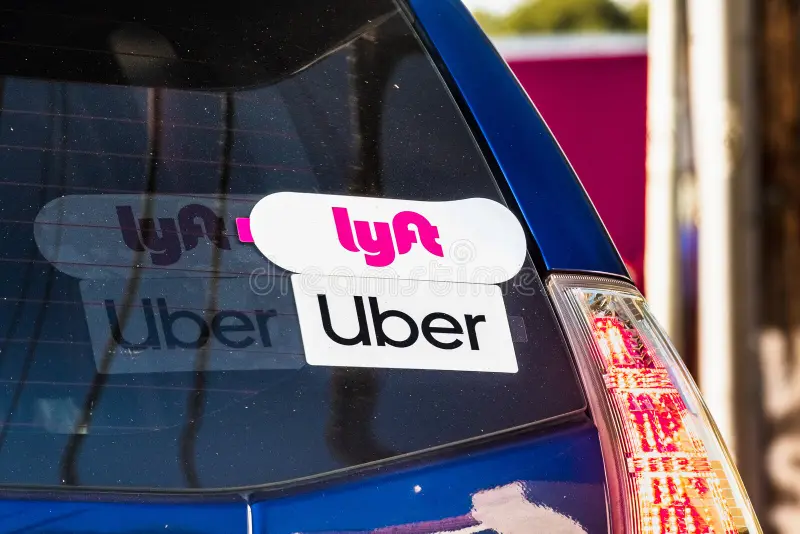
You get into an Uber or Lyft expecting a routine ride, but after a crash, no one agrees on who bears responsibility. The rideshare driver points to another vehicle. The other driver blames the rideshare company. Insurance adjusters ask questions that shift with every call. What feels obvious on the street becomes uncertain on paper, because liability depends on proof, coverage layers, and timing. At The Boyle Law Firm, we help injured riders cut through that confusion by focusing on who controlled the risk, which policy applies, and what evidence supports their claim for accountability.
💡 Key Takeaways
- • Uber and Lyft accidents in Colorado can involve multiple liable parties, including the rideshare driver, the company, or other motorists.
- • Accident investigations should preserve crucial evidence such as ride records, dashcam footage, witness statements, and medical documentation.
- • Victims may recover compensation for medical expenses, lost wages, and long-term injuries resulting from rideshare collisions.
- • Colorado traffic laws and rideshare insurance policies can significantly affect liability and claim processes in Uber or Lyft accidents.
- • The Boyle Law Firm helps injured passengers and drivers hold all responsible parties accountable and pursue full compensation after rideshare accidents in Colorado.
Why Does Liability Get Disputed After a Rideshare Crash?
Colorado law assigns responsibility based on who caused the crash and which insurance policy covered the vehicle at that moment, a question that sits at the center of many disputes when someone is injured in an Uber or Lyft in Colorado. The core takeaway stays simple: coverage depends on whether the rideshare driver carried a passenger, waited for a request, or drove for personal reasons.
Who Pays for Injuries in Rideshare Accidents in Colorado?
It depends. Uber and Lyft both utilize layered coverage that activates and deactivates based on the driver’s app status. Colorado requires rideshare companies to carry commercial insurance, but this requirement applies only during specific periods of operation. When the app is off, the driver’s personal auto policy controls. When the app is on without a ride accepted, limited rideshare coverage applies. When the driver accepts a ride or carries a passenger, Uber or Lyft’s full commercial policy applies.
Why Does the Driver’s App Status Matter So Much?
Insurance companies pay claims based on written rules. The app status determines whether the rideshare company accepted financial responsibility at the time of the crash. Insurers often dispute this point because differences of minutes or even seconds can shift coverage limits by hundreds of thousands of dollars.
We focus on objective proof. App records, trip logs, timestamps, and phone data show whether the driver waited for a request or actively transported a passenger. Without that proof, insurers argue over responsibility and delay payment.
What Happens If You’re Injured in an Uber Accident When the Rideshare Driver Causes the Crash?
If the Uber or Lyft driver caused the crash while carrying a passenger or heading to pick one up, the company’s commercial policy applies. In Colorado, this policy typically includes up to $1 million in liability coverage for bodily injury and property damage. This coverage applies even if the driver also carries personal insurance. The rideshare policy takes priority during an active trip. Passengers injured in this situation usually rely on Uber or Lyft’s insurer, not the driver’s personal carrier.
What If Another Driver Caused the Uber or Lyft Accident?
Sometimes the rideshare driver does nothing wrong. Another vehicle runs a light, drifts lanes, or rear-ends the rideshare car. In that case, the at-fault driver’s insurance should pay first. Problems arise when that driver lacks insurance or carries only minimum limits. Colorado requires drivers to have liability insurance, but minimum limits often fail to cover serious harm. Uber and Lyft provide uninsured and underinsured motorist coverage during active trips, which can step in when the at-fault driver is unable to cover the costs fully.
Contact Form
What Happens If the Rideshare Driver Had the App On but No Passenger?
This period creates the most disputes. When the driver waits for a ride request, Uber and Lyft provide limited liability coverage. The limits remain lower than the full commercial policy, and the driver’s personal policy may also apply. We examine time, fault, and policy language together to determine priority. Clear documentation prevents insurers from shifting responsibility to one another.
How Does Colorado’s Fault Law Affect Rideshare Claims?
Colorado uses a modified comparative fault system. A person who is less than 50% responsible for the accident can still recover damages, but their percentage of fault reduces the amount they receive. Insurers attempt to use this rule aggressively. They look for statements, gaps, or inconsistencies to assign partial fault to injured passengers or drivers; even small percentages matter. We help clients understand how evidence supports or weakens fault arguments before insurers lock in positions.
What Evidence Matters Most After a Rideshare Accident?
When someone makes a serious accusation or statement, they must provide evidence that can be independently verified, rather than relying solely on personal memories or opinions. Therefore, key evidence in rideshare accidents includes:
- Rideshare app data showing trip status,
- Police reports identifying vehicles and violations,
- Photographs or video from the scene,
- Vehicle damage patterns, and
- Witness statements.
Insurance companies review this material early. Delays or missing records give them room to dispute liability and coverage.
When Should an Injured Passenger Consider Legal Help?
Anyone pursuing a Lyft accident injury claim in Colorado benefits from understanding how insurers evaluate proof and leverage, which is where legal assistance becomes invaluable. This help becomes essential when insurers dispute responsibility, coverage, or fault. It also matters when injuries affect long-term function or income. Early guidance from an attorney helps preserve evidence and prevent damaging statements.
Why People Trust The Boyle Law Firm in a Rideshare Accident Case
For nearly 25 years, The Boyle Law Firm has handled personal injury litigation throughout Colorado, with a focus on establishing liability and gathering evidence to support its clients. William Boyle personally oversees every case and draws on experience from both sides of the insurance system, including years representing insurers early in his career. Courts and peers have recognized his ethics and skill through long-standing professional ratings and teaching roles, and that continuity allows our firm to guide clients through disputed liability with clarity and consistency.
Frequently Asked Questions About Uber and Lyft Accidents in Colorado
Who is responsible if I’m injured in an Uber or Lyft crash?
Can I file a claim against Uber or Lyft directly?
How do I know who was at fault?
What types of damages can I recover?
Does Colorado’s comparative fault law affect my claim?
What if the rideshare driver was using the app but not insured?
How long do I have to file a claim in Colorado?
Should I speak with insurance companies before consulting a lawyer?
Can passengers and pedestrians pursue claims?
Why should I hire a Colorado rideshare accident attorney?
100% Free Consultation
Get Help NowTake the Next Step Toward Recovery
If you were injured in an Uber or Lyft accident in Colorado and need answers about liability and insurance coverage, please contact us to schedule a complimentary consultation and learn about the steps you can take to protect your rights moving forward.